
News
José Luiz Martins to Release New Album: “Odyssey Mixtape”

When José Luiz Martins was diagnosed with the neurological condition focal dystonia, he had to step away from being able to practice piano for years, all while still needing to keep playing regularly as a professional musician — and plummeted into a thick depression. “I literally couldn’t play a C major scale during this time,” Martins reveals. “My fingers would spasm and react in crazy ways — and as much as I fought, it got worse.” But as they say, the tough get going — and Martins fought tooth and nail to reclaim his musical faculties.
The result is the São Paulo, Brazil-born, Washington D.C.-based pianist’s intrepid new album, Odyssey Mixtape — featuring Martins on piano, keys, and synths, accompanied by flutist/vocalist Alex Hamburger; bassist Romeir Mendez, drummer Dana Hawkins. On three of these inspired, mostly original compositions, John Lee joins on guitar; one features vocalist Nakama, electric bassist Tyrone Allen II, and drummer Florian Haas.

Out April 18 via Origin Records, Odyssey Mixtape stares Martins’ calamity straight in the eye, and charts his grueling path out of hopelessness and infirmity. “The psychological challenges that compelled me to step away from what had become my norms also led to a meaningful reconnection with my past,” Martins reflects, citing old passions like graffiti, skating, and rock music, long “overshadowed by a closed mindset.”
“This interplay between darkness and light, depression and hope, is a recurring theme in both the compositions and the overall mood of the album,” Martins explains. But however personal and visceral a listen — crucially, the Mixtape component keeps it light on its feet. “This album took an unexpected compositional direction that I was really happy about,” Martins says, “with more synths, rock, funk, and lyrics as a way to express this difficult journey.”
Martins has been beloved on the scene for going on a decade. Of his 2016 album, Amanhã, Kess Schoof from Música Brasileira wrote, “Pianist José Luiz Martins enters the world of recording with an interesting and surprising album that fascinates from the first till the last note. It shows there’s still hope for jazz in the future.” And Musical Memoirs called 2023’s Reflections the work of an “amazing talent,” singling out Hamburger’s “sweet vocals” as a highlight.
The first single, a rendition of Milton Nascimento’s “Cravo e Canela,” is a sui generis piece of music — and challenging to play, to boot.
“The arrangement highlights the idea of a ‘dirty fusion,’ where nothing needs to be perfectly clean-cut, and everybody plays taking chances, not playing safe, and accepting the risks,” Martins says, calling Hamburger, Mendez, Hawkins, and their guests “creators, risk-takers, and true friends.”
“I love the idea that we play in the way of an Expressionist painter, guided by emotions and energy, using bright colors to enable the viewer to get lost within these intricate depictions,” he continues. “This leaves the listener filling in the gaps with their interpretation, creating a kind of language with which you can communicate on a subconscious level.”
Another highlight is the Nakama. lyrics for Martins’ original “Don’t Act Like,” recorded remotely during the pandemic in New York and Switzerland. Nakama. describes its lyrical theme as, “When you cannot control the world around you, you have to dig deep into yourself. All of the experiences that made you who you are, are the cost of creating art, and we pay with our struggles to find new growth.”
Martins’ original, “Bloom,” carries a potent, turbulent rock atmosphere. “It helps show this changing of moods and ups and downs in my mind through the days,” he says. “From darkness and hopelessness, to lightness and positivity, back to rage and fury, and into hopefulness for the future. This song shows the clearest depiction of the story of these ups and downs I faced through this battle with focal dystonia.”
The pianist with the help of vocalist Alex Hamburger also penned “Metamorphosis,” which captures the bright side. “The lyrics talk about transformation and finding myself, which is why the lyrics switch from English back to my native language, Brazilian Portuguese,” he explains, quoting the lyrics in English: “Life will show you the path and give you your own direction / Time will pass, and you’ll find that your dreams transform, as you find your true self.”
Thrillingly, after a period of extensive research and meditation, Martins beat his focal dystonia. Odyssey Mixtape is a vehicle for community-building and healing. Through the process, he learned the condition had prematurely ended the careers of countless musicians.
“I hope that this album serves as a way to connect and give hope to each other,” Martins concludes. Which is just one of many levels on which Odyssey Mixtape is a high point for the pianist — one back at full force, and ever more committed to exploring boundaries between music styles, cultural roots, and the interplay of tradition and innovation.



Brazilian mandolin virtuoso Hamilton de Holanda opens a new creative chapter with Nova, a wide-ranging album that brings the traditions of Brazilian instrumental music into conversation with contemporary jazz and sounds from Africa, India, the Caribbean and the Middle East.
Released by Sony Music Brasil on May 20, 2026, the 14-track, 56-minute recording was produced by de Holanda and Marcos Portinari. Recorded in different parts of the world, Nova draws inspiration from the people, places and musical encounters that have marked de Holanda’s extensive travels.
At the heart of the album is the Hamilton de Holanda Trio: de Holanda on 10-string mandolin, Salomão Soares on keyboards and synthesizers, and Thiago “Big” Rabello on drums. Their six-year musical partnership gives the project its central identity, balancing rhythmic precision, melodic freedom and intuitive ensemble interaction.
The trio is joined by an impressive international cast that includes Indian sitarist Anoushka Shankar, French-Lebanese trumpeter Ibrahim Maalouf, Cuban percussionist and vocalist Pedrito Martínez, Angolan singer-songwriter Paulo Flores and Brazilian percussion legend Paulinho da Costa. Other guests include Pedro Martins, Michael Pipoquinha, Pretinho da Serrinha, Mestra Zélia do Prato and Larissa Umaytá.

Opening with “Nova Alvorada,” the album imagines a new dawn rooted in African and Afro-Brazilian traditions. Pedrito Martínez contributes vocals and percussion, Michael Pipoquinha adds electric bass, and singers Tatiana Parra, Vanessa Moreno and Dani Gurgel form the supporting chorus.
Elsewhere, “Som de Baile” channels the energy of Brazilian dance bands, drawing upon the spirit of Banda Black Rio, Jorge Ben Jor and Gilberto Gil. “Frio Lá Fora,” composed during a bitterly cold stay in New York, features Maalouf and Pretinho da Serrinha, while “Pras Crianças” combines an ijexá-based foundation with the resonant sound of Shankar’s sitar. “Luanda (Unidos)” creates a bridge to Angolan semba through the voice and text of Paulo Flores.
Among the album’s most reflective compositions is “Mono no Aware,” which has received an official visualizer. Written by de Holanda and Soares, its title comes from a Japanese expression describing an awareness of life’s impermanence—and the realization that beauty becomes more meaningful because it is temporary.
Recorded at producer and engineer Mario Caldato Jr.’s Los Angeles studio, the piece features Paulinho da Costa on percussion and Pedro Martins on guitar alongside the trio. The gathering connects three generations of Brazilian musicians in a performance that is sophisticated, spacious and emotionally restrained.
The visualizer complements the composition’s contemplative character through imagery evoking delicacy, transition and constant transformation. Rather than presenting a literal storyline, it creates an intimate visual environment in which the music’s mixture of quiet joy and underlying sadness can unfold. The official visualizer is available through Hamilton de Holanda’s YouTube channel.
Now entering his sixth decade, de Holanda remains one of Brazilian instrumental music’s most innovative figures. By expanding the traditional eight-string bandolim into a 10-string instrument, he developed a broader harmonic and melodic vocabulary that has allowed him to move naturally among choro, samba, jazz and global musical traditions.
With Nova, that spirit of invention is guided by gratitude, generosity and an enduring belief in music’s ability to connect people. Tradition and experimentation are not treated as opposites; they become complementary parts of a living musical language.
As de Holanda explains, creating original music with such an extraordinary community of artists is his way of affirming that, regardless of the world’s uncertainties, “the music will continue.”
Nova — Complete Track Listing
1. Nova Alvorada — Hamilton de Holanda
2. Presente pra Sempre — Hamilton de Holanda
3. Nasci — Hamilton de Holanda
4. Som de Baile — Hamilton de Holanda
5. Mono no Aware — Hamilton de Holanda and Salomão Soares
6. Frio Lá Fora — Hamilton de Holanda and Gabriel de Holanda
7. Carrossel — Hamilton de Holanda and Gabriel de Holanda
8. Pras Crianças — Hamilton de Holanda
9. Luanda (Unidos) — Hamilton de Holanda
10. Por Essa Eu Não Esperava — Hamilton de Holanda and Gabriel de Holanda
11. Forrozin de Mestra Zélia — Hamilton de Holanda
12. Choro Fado — Hamilton de Holanda
13. Sol da Noite — Hamilton de Holanda
14. Até Amanhã — Hamilton de Holanda and Salomão Soares
Album Credits
Hamilton de Holanda Trio
Hamilton de Holanda: 10-string mandolin
Salomão Soares: keyboards, synthesizers and Moog
Thiago “Big” Rabello: drums and percussion
Guest Artists and Additional Musicians
“Nova Alvorada”
Pedrito Martínez — percussion and vocals
Michael Pipoquinha — bass
Tatiana Parra — backing vocals
Vanessa Moreno — backing vocals
Dani Gurgel — backing vocals
“Nasci”
Eduardo Neves — tenor saxophone
Aquiles Moraes — trumpet
Rafael Rocha — trombone and horn arrangement
“Som de Baile”
Eduardo Neves — tenor saxophone
Aquiles Moraes — trumpet
Rafael Rocha — trombone and horn arrangement
Larissa Umaytá — percussion
“Mono no Aware”
Paulinho da Costa — percussion
Pedro Martins — guitar
“Frio Lá Fora”
Ibrahim Maalouf — trumpet
Pretinho da Serrinha — percussion
“Pras Crianças”
Anoushka Shankar — sitar
Leander Motta — moringa percussion
“Luanda (Unidos)”
Paulo Flores — voice and spoken text
“Forrozin de Mestra Zélia”
Mestra Zélia do Prato — voice
Production
Producers: Hamilton de Holanda and Marcos Portinari
Executive producer and editing engineer: Marcos Portinari
Assistant producer: Fellipe Cabral
Mixing: Thiago Rabello and Da Pá Virada
Mastering: André Dias
Assistant engineer: Vitor Nery
Photography: Nando Chagas
Label: Sony Music Brasil
Release date: May 20, 2026
Format: Digital album
Duration: Approximately 56 minutes
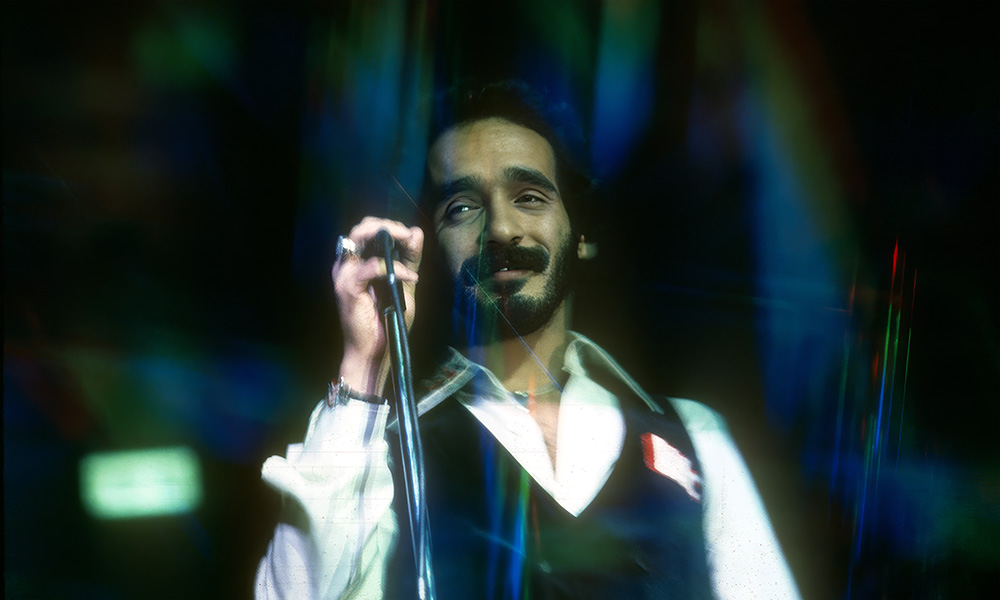
Craft Latino will reissue Willie Colón and Héctor Lavoe’s landmark 1969 album, Cosa Nuestra, on September 25, bringing one of salsa’s most influential recordings back to vinyl and CD. The new edition pays tribute to the late Willie Colón while celebrating an album that helped define the sound, image, and cultural force of New York salsa.
The vinyl edition has been mastered entirely in the analog domain and pressed on 180-gram vinyl. A limited Metallic Blue pressing, restricted to 300 copies, will also be available through Fania, either separately or bundled with a retro-logo T-shirt. A newly remastered version of the album is already available on digital platforms in standard and high-resolution audio.
Colón and Lavoe began working together in the mid-1960s after meeting at Fania Records. Colón was only 16, while Lavoe was 21. Their 1967 debut, El Malo, introduced an unusually compelling partnership: Colón’s raw, trombone-driven arrangements combined with Lavoe’s distinctive phrasing, streetwise personality, and exceptional command of the sonero tradition.
Following The Hustler and Guisando, the duo moved beyond the boogaloo sound that dominated much of the era and began developing the tougher, more sophisticated musical language that would become closely associated with salsa. Their fourth album, Cosa Nuestra—“Our Thing”—marked the moment when all the elements came together.

The album’s now-iconic cover reinforced the gangster imagery established on their earlier recordings, portraying Colón as a mobster preparing to dispose of a body near the Hudson River. The theatrical concept was more than a marketing device. It reflected the rebellious identity, urban atmosphere, and youthful attitude that made Colón and Lavoe central figures in the emerging Nuyorican music scene.
Produced by Jerry Masucci and overseen by Fania co-founder Johnny Pacheco, Cosa Nuestra introduced a revitalized ensemble featuring trombonist Eric Matos, timbalero Little Louie Romero, conguero Milton Cardona, bongó player José Mangual Jr., bassist Santi González, and pianist Professor Joe Torres.
Its songs offered vivid portraits of barrio life, betrayal, romantic disappointment, and everyday conflict. “Te conozco” focuses on a familiar neighbourhood freeloader, while “Tú no puedes conmigo” addresses the sting of a friend’s disloyalty. “Juana Peña” tells the story of a woman known for deceiving her lovers who eventually experiences heartbreak herself.
The bolero-son “Ausencia” gives Lavoe one of the album’s most emotionally resonant performances, expressing the anguish of a man unable to escape the memory of a failed relationship. In contrast, “Sonero mayor” celebrates improvisation and the art of soneo, one of Lavoe’s defining gifts.
The album’s greatest commercial success came with “Ché ché colé,” inspired by an African children’s game. Blending African and Caribbean rhythmic traditions, the infectious recording reached an international audience, helped propel Colón and Lavoe to stardom, and contributed to Cosa Nuestra becoming their first gold-selling album in the United States.
More than five decades later, Cosa Nuestra remains a cornerstone of salsa. Its combination of musical sophistication, Afro-Caribbean roots, urban storytelling, and unmistakable New York attitude established a model that shaped the genre throughout the 1970s. This reissue offers longtime admirers and new listeners an opportunity to rediscover the album in a format worthy of its enduring historical importance. Pre-Order Now!
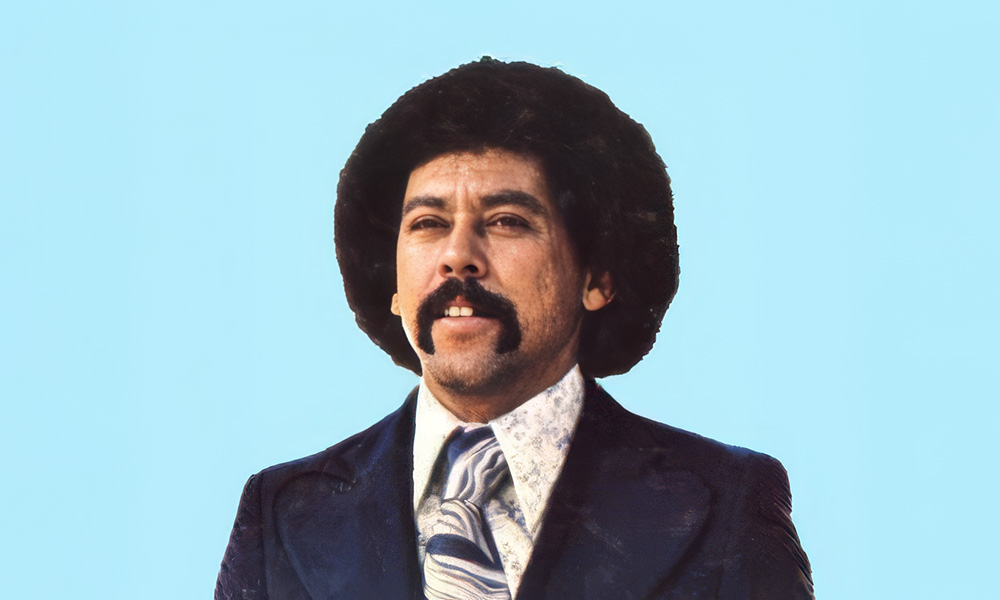
Craft Latino is celebrating the legacy of Puerto Rican singer and composer Chamaco Ramírez with the first vinyl reissue of Alive and Kicking, his acclaimed 1979 solo debut. Originally released by Inca Records and unavailable on vinyl for more than 45 years, the album will return on September 18, 2026, in conjunction with the beginning of Hispanic Heritage Month.
Although Alive and Kicking was Ramírez’s only album as a solo artist, the nine-song recording remains a powerful demonstration of his talents as a sonero, songwriter and bandleader. The album includes enduring favourites such as “San Agustín,” “Adivínalo” and “Así son Bongó,” supported by an exceptional ensemble of musicians from the New York salsa scene.
The new 180-gram pressing was produced using an all-analog process. Dave Polster and Clint Holley of Well Made Music cut the lacquers directly from the original master tapes, preserving the energy and clarity of Ramírez’s voice and the album’s richly arranged instrumentation. A limited-edition Rumba Amarilla pressing, restricted to 300 copies, will also be available through Fania, either separately or as part of a bundle with a collectible Inca Records T-shirt. The newly remastered album is already available digitally in standard and high-resolution audio.

Born in Puerto Rico in 1941, Ramírez emerged as one of salsa’s most admired improvisational singers. He was only 16 when he joined Tommy Olivencia y Su Orquesta as co-lead vocalist alongside Paquito Guzmán. During his 13 years with the orchestra, Ramírez appeared on eight albums and developed a reputation for his command of the sonero tradition and his ability to create spontaneous verses.
Ramírez also performed with the Alegre All Stars and Kako y Su Orquesta before leaving Olivencia’s band in 1976 and relocating to New York. Three years later, he recorded Alive and Kicking for Inca Records, a Fania subsidiary. The album was produced by Cuban pianist and arranger Javier Vázquez, widely recognized for his association with La Sonora Matancera.
The program opens with “San Agustín,” a memorable son montuno composed by Catalino “Tite” Curet Alonso. The song pays tribute to the working-class San Agustín community in San Juan’s Puerta de Tierra district. Ramírez then turns toward New York’s urban rumba tradition with an updated version of Cuban percussionist Justi Barreto’s “Rumba moderna.”
Among the album’s most popular selections is Ramírez’s own “Adivínalo,” an upbeat composition whose spirited delivery contrasts with its controversial references to drug use. “Así son Bongó,” written by Cuban composer Joseíto Fernández, is another highlight. Its story of an incarcerated man mourning a forgotten romance is transformed by Ramírez and the orchestra into an energetic guaguancó designed for dancers.
The album’s formidable personnel includes trumpeter Alfredo “Chocolate” Armenteros, bassist Elpidio Vázquez Jr., percussionist and vocalist Jorge Maldonado, saxophonists Manolín González and Mario Rivera, and percussionists Alberto Valdés, Edgar López and Mike Collazo. Adalberto Santiago and Tito Allen strengthen the coro, while producer Javier Vázquez also contributes on piano.
The memorable cover, designed by Ron Levine, depicts Ramírez emerging from a coffin into a beam of sunlight—a visual interpretation of the title that later acquired tragic significance. Ramírez was killed by gun violence in 1983 at the age of 41.
More than four decades later, Alive and Kicking remains a vital salsa recording and a lasting testament to Chamaco Ramírez’s commanding voice, improvisational brilliance and enduring artistic legacy. Pre-Order Now.


-

 25 Most Read Posts13 years ago
Juan García-Herreros “Snow Owl” – Normas
-

 25 Most Read Posts14 years ago
Edy Martínez, the Music Architect Behind the Piano
-

 25 Most Read Posts16 years ago
Raphael Cruz Reaffirms His Commitment To Latin Jazz!
-

 25 Most Read Posts11 years ago
Rubén Blades con Roberto Delgado & Orquesta: Son de Panamá